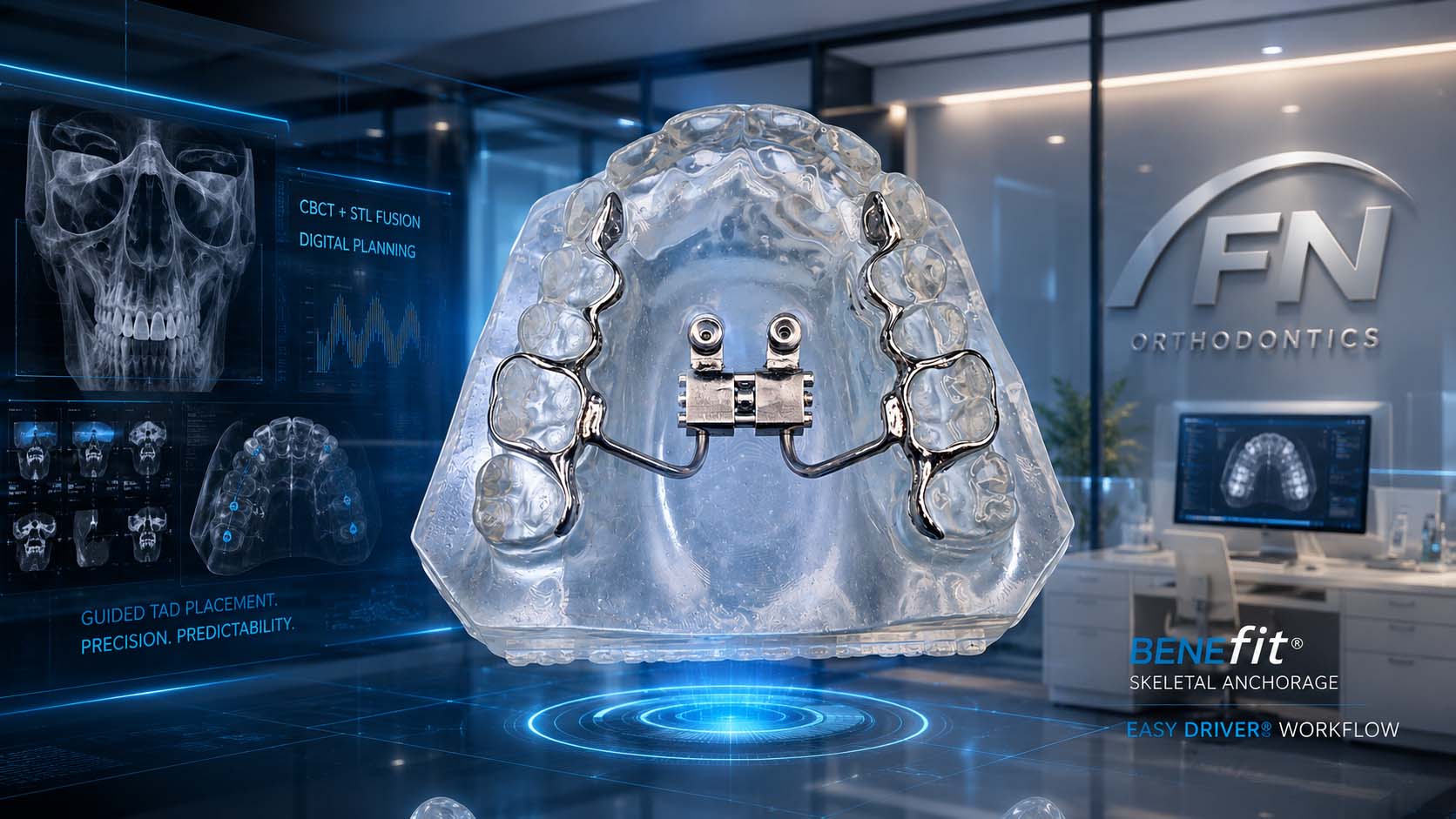
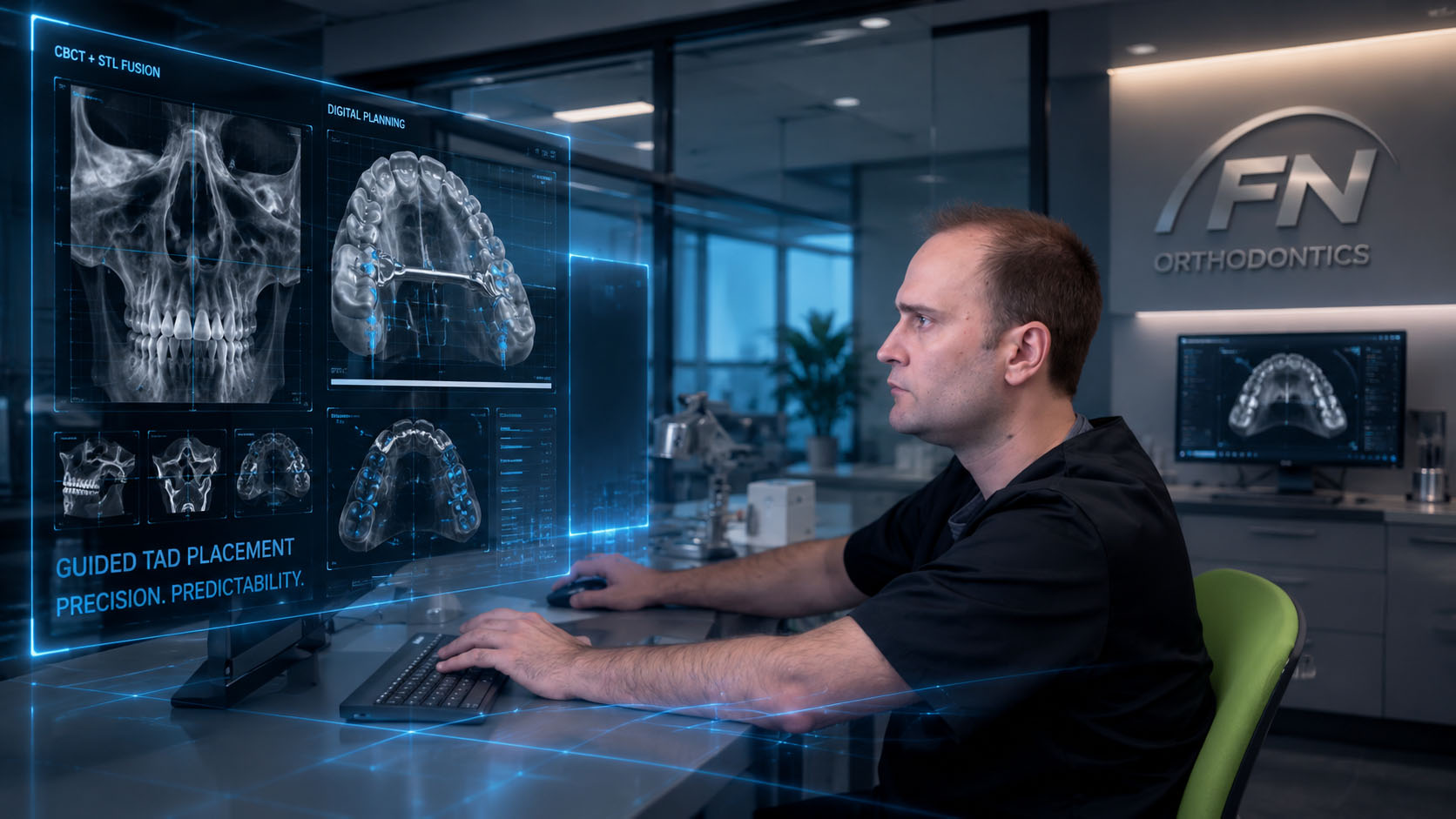
SAPS & FN Orthodontics
Digital Skeletal Anchorage with PSM® Mini-TADs, Easy Driver & Smart Lock
For more than eight years, F.N. Orthodontics has been the exclusive representative of the Easy Driver System in Greece and Cyprus — the digital planning and guided‑surgery protocol behind the PSM® BENEfit® mini‑implant system, recognised worldwide as the leading solution for skeletal anchorage in orthodontics. In that time, we have planned and delivered hundreds of guided TAD cases for orthodontists across both countries, building the clinical experience and laboratory precision that only come from doing this at scale, for years, not months.
That same protocol — developed by Uniontech (Parma/Milan, Italy) together with Dr. Renzo De Gabriele and refined alongside PSM Medical in Germany — is used with equal success in clinics around the world. Wherever it's applied, the result is the same: a self‑tapping titanium mini‑implant that requires no surgical flap, allows immediate loading, needs no osseointegration period, and can be placed and removed by the orthodontist directly — without referral to another specialist. Few systems offer this combination of simplicity for the clinician and precision for the patient, which is why it has become the anchorage of choice for complex tooth movements that previously had no reliable solution.
In our hands, that precision starts long before the patient sits in the chair. Through SAPS — Skeletal Anchorage Planning Services, our dedicated digital‑planning division, every guide we produce is planned virtually, verified against the patient's anatomy, and manufactured alongside the appliance itself — so implantation and appliance placement can usually be completed in a single visit. From hybrid Hyrax appliances for rapid palatal expansion, to the Pendulum and BENEslider for upper‑molar movement, to prosthetic restorations replacing congenitally missing teeth where maximum anchorage is critical — this is the same digital workflow, with the same standard of accuracy, on every case.
SAPS runs on two complementary PSM® technologies:
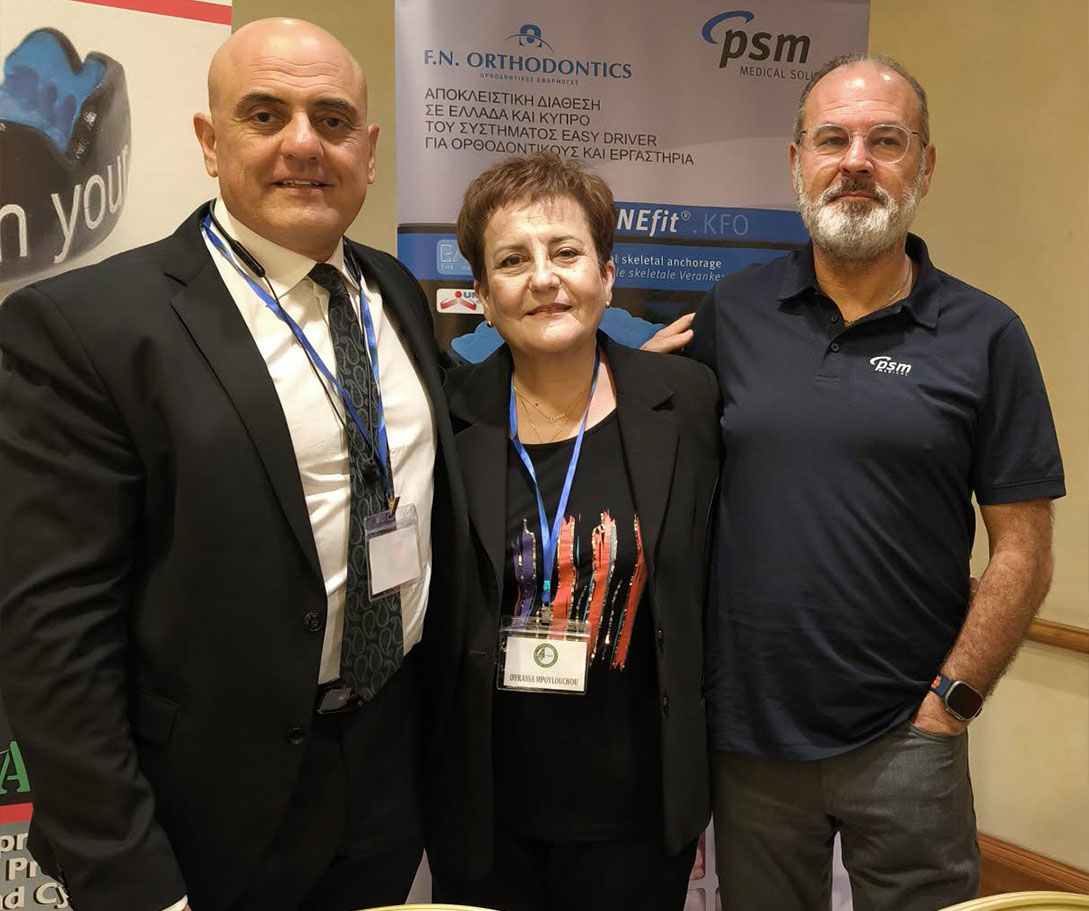
SAPS — Skeletal Anchorage Planning Services is F.N. Orthodontics' dedicated digital‑planning service for skeletal anchorage, built around the PSM® BENEfit® mini‑TAD system — the worldwide‑leading palatal miniscrew system for orthodontic anchorage. Through SAPS, every step of a skeletal‑anchorage case — from the first CBCT scan to the finished, implant‑borne appliance — is planned digitally, verified before surgery, and delivered to the clinician as a ready‑to‑use kit: drilling guide, mini‑implants and appliance, fabricated together so that implantation and appliance insertion can take place in a single appointment.
SAPS is built on two complementary PSM® technologies, developed in cooperation with Uniontech (Parma/Milan, Italy), Dr. Renzo De Gabriele and the FACE study group:
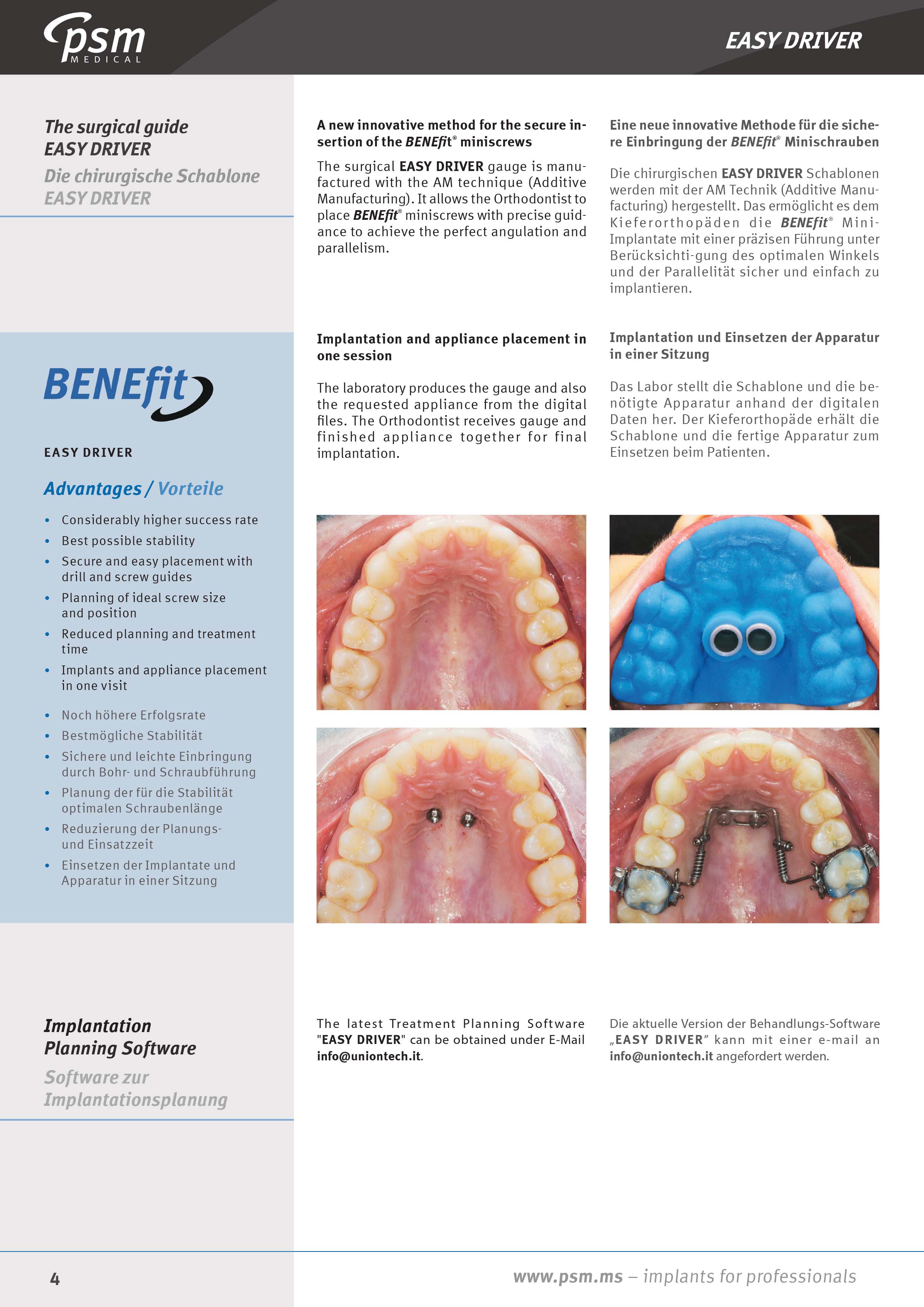
• Easy Driver — a CAD‑based virtual planning and guided‑surgery system that lets us position each mini‑implant with millimetric accuracy before a single drill ever touches the palate.
• Smart Lock (BENEfit® DIRECT) — the first angle‑stable TAD, designed for laboratories and clinicians who prefer to build the appliance directly on the model first, then secure it with a tip‑resistant, form‑fit screw connection.
Together, these two pathways give every orthodontist a route that fits their workflow — fully digital and CBCT‑guided, or laboratory‑led and appliance‑first — without compromising on implant stability, precision or patient comfort. Below you will find how each system works, and the guidelines we ask every doctor to follow when joining the SAPS protocol.
Easy Driver is the CAD planning software that sits at the core of SAPS' digital pathway. It allows our team — together with the treating orthodontist — to:
• Combine CBCT (DICOM) data with an intraoral or laboratory STL scan for a fully three‑dimensional view of the palate.
• Virtually position each BENEfit® mini‑implant at the ideal site, angulation and depth, taking into account bone quality, root proximity and the planned appliance design.
• Design and 3D‑print a patient‑specific surgical drilling guide (Additive Manufacturing) with drill and screw sleeves that transfer the planned position to the mouth with very little tolerance — the same principle used in guided dental‑implant surgery.
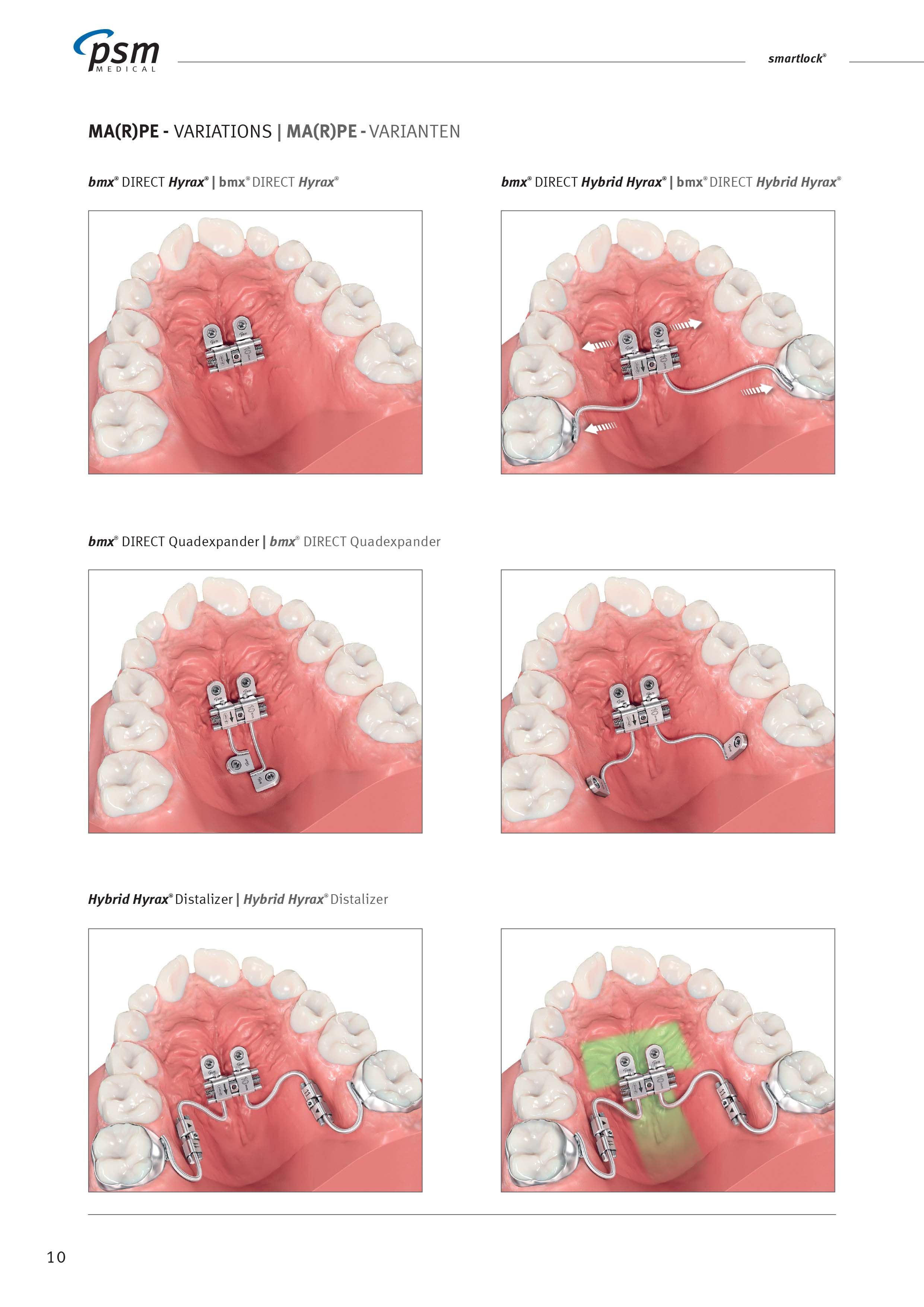
• Fabricate the appliance (Hybrid‑Hyrax, Quadexpander, BENEslider, Mesialslider, T‑Bow, and other BENEfit®‑borne designs) on the same digital model, so that the guide and the appliance arrive together, ready for a single insertion appointment.
How the protocol runs, step by step:
1. Impression or intraoral scan of the arch, ideally combined with a CBCT or lateral cephalometric radiograph.
2. Digitisation and superimposition of the scan with the radiographic data.
3. Virtual planning of mini‑implant position, length and diameter in Easy Driver.
4. Review and confirmation (or correction) of the proposed positions by the treating orthodontist.
5. 3D printing of the surgical guide and parallel fabrication of the appliance.
6. Guided insertion of the BENEfit® mini‑implants and delivery of the appliance — typically in one clinical visit.
Advantages
• Considerably higher implant success rate and best possible primary stability
• Secure, predictable placement through dedicated drill and screw guide sleeves
• Correct screw length and position planned in advance, before any surgery
• Reduced overall planning and chair time
• Implant and appliance placement combined in a single patient visit
• Minimally invasive, self‑tapping insertion with immediate loading
• Can be placed by the orthodontist directly, without referral to another specialist
Indications
• Maxillary molar distalisation and mesialisation
• Molar uprighting
• Anchorage for upper anterior teeth and molars
• Skeletal (MARPE) and hybrid tooth‑and‑bone‑borne palatal expansion
• Temporary tooth replacement / space maintenance
• Indirect anchorage for complex tooth movements
For doctors who want to see the full range of appliance designs that can be built on guided BENEfit® mini‑implants — including the bmx® DIRECT Hyrax, bmx® DIRECT Hybrid Hyrax, bmx® DIRECT Quadexpander and the Hybrid Hyrax Distalizer — our MARPE Variations reference illustrates each configuration and how the Easy Driver guide adapts to it. We share this with every clinician planning a skeletal‑expansion case through SAPS, alongside our Easy Driver — Implantation, Advantages & Indications clinical guide, which goes into further detail on insertion protocol and case selection.
Conventional TADs used with bone‑borne or hybrid palatal expanders share one limitation: they are not rigidly form‑fit to the appliance. They sit loosely in their housing, so the first turns of expansion tend to tip the screws rather than move the skeletal suture — and in the posterior palate, where bone volume is often limited, that tipping increases the risk of screw loosening, bending or loss, frequently forcing extra tooth‑borne support to stabilise the appliance.
Smart Lock — featuring BENEfit® DIRECT was developed specifically to solve this. Its patented thread‑head design creates a rigid, tipping‑resistant, form‑fit connection between the implant and the DIRECT connecting plates, eliminating the unwanted angulation seen with conventional screws — which is why it is recognised as the first angle‑stable TAD available for skeletal anchorage.
Because the connection is mechanically self‑locking, Smart Lock is built for an "Appliance‑First" workflow: rather than planning implant positions virtually before fabrication, the appliance (Hybrid‑Hyrax®, MA(R)PE, and other pre‑welded bmx® DIRECT designs) is constructed directly on the patient's working model in the laboratory, using our standard instrumentation — no additional planning software required. The implant position is determined directly on the model, the appliance is secured to the molars, and the BENEfit® DIRECT screws lock it into the chosen position with a stable, rigid connection.
The Smart Lock clinical sequence:
In the laboratory:
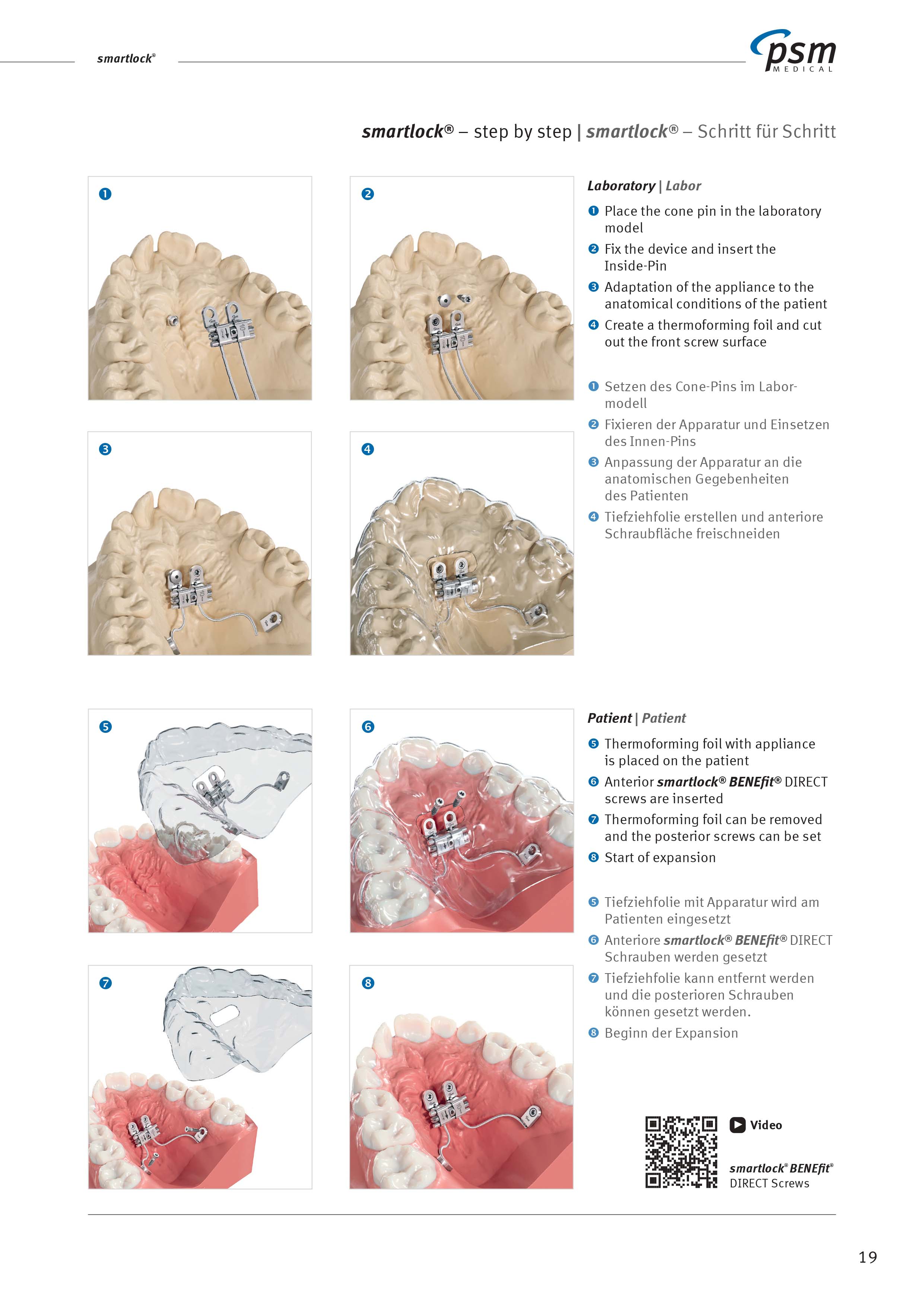
1. The cone pin is set into the laboratory model. 2. The appliance is fixed and the inside pin inserted. 3. The appliance is adapted to the patient's anatomical conditions. 4. A thermoforming foil is produced, with the anterior screw area cut free.
At the chair: 5. The thermoforming foil, carrying the appliance, is seated on the patient. 6. The anterior Smart Lock BENEfit® DIRECT screws are inserted. 7. The foil is removed and the posterior screws are placed. 8. Expansion (or the planned tooth movement) begins.
This protocol is described in full, with clinical photographs, in our Smart Lock — Step by Step guide, and the engineering rationale behind the angle‑stable connection is detailed in Smart Lock — DIRECT: The First Angle‑Stable TAD. Both are shared with every doctor adopting the Smart Lock pathway through SAPS.
Why Smart Lock System?® DIRECT Angle-Stable Mini-Implant
The BENEfit® DIRECT Angle-Stable Mini-Implant
Key advantage: the first activation turn produces immediate skeletal movement of the midpalatal suture
The clinical problem the DIRECT mini-implant was designed to solve
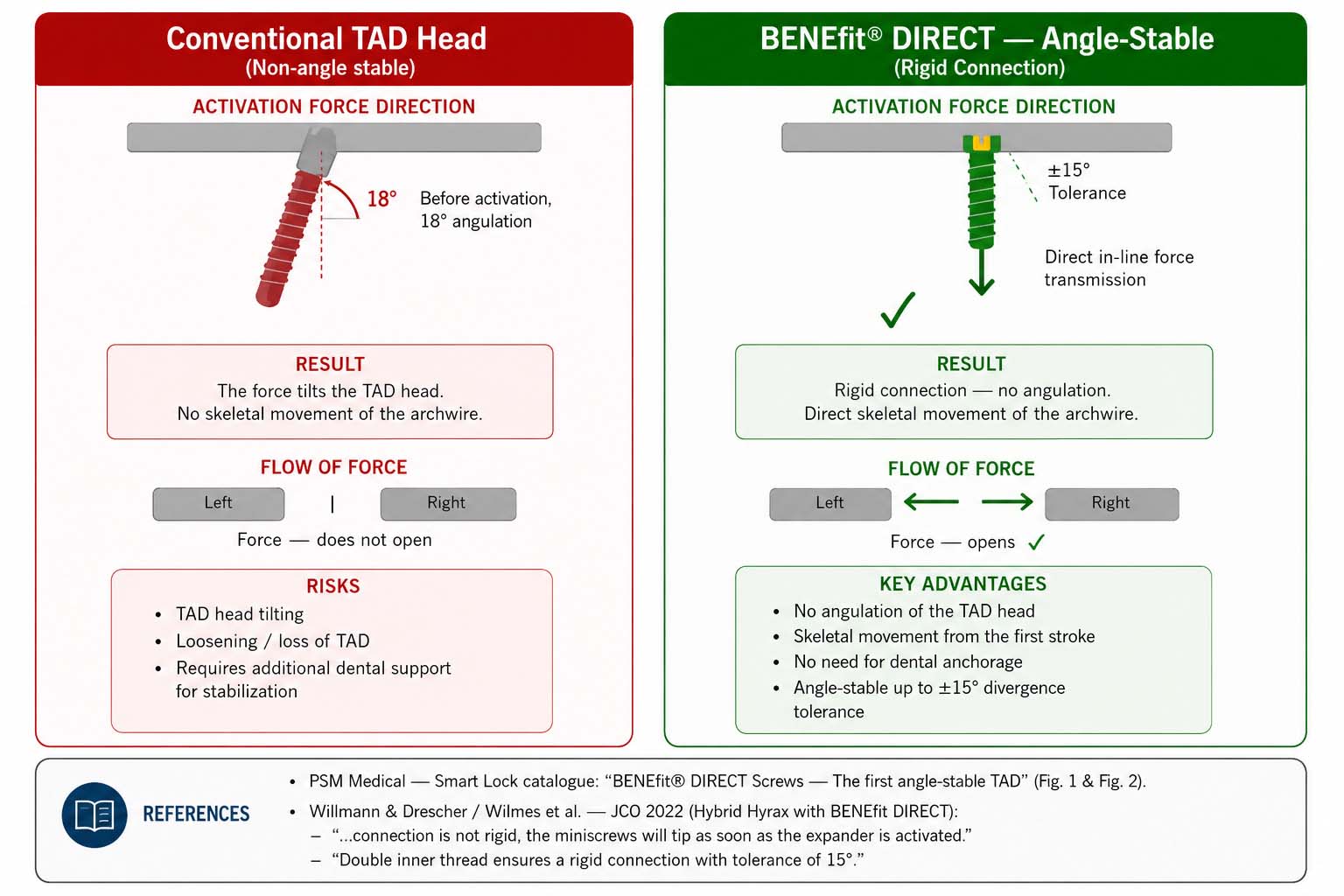
Conventional TADs employed in MARPE appliances do not provide a rigid, form-fit mechanical connection between the implant head and the appliance plate — they seat loosely within their housing. As a consequence, initial activation does not produce orthopaedic skeletal movement of the midpalatal suture but instead generates unwanted angulation of the mini-implants (implant tipping). In the posterior palate, where cortical bone volume is frequently limited, this tipping incrementally increases the risk of implant loosening and ultimately of implant loss.
Source: PSM Medical — Smart Lock catalogue: «BENEfit® DIRECT Screws — The first angle-stable TAD» · Willmann & Drescher / Wilmes et al., JCO 2022
Conventional TAD mini-implant — what occurs during appliance activation
The mini-implant seats loosely within the appliance housing — no rigid mechanical connection exists. Upon the first activation turn:
→ The generated force is directed toward the path of least mechanical resistance
→ The mini-implant tips (angulates) rather than transmitting force to the suture
→ Implant tipping may reach 18° or greater from the long axis
→ The midpalatal suture does not open — zero skeletal movement is produced
✕ Outcome
The activation force angulates the mini-implant. No skeletal movement of the midpalatal suture is produced.
Risks and adverse outcomes
→ Screw bending — permanent deformation of the mini-implant shaft
→ Mini-implant loosening or complete implant loss
→ Elevated failure risk in the posterior palate due to limited cortical bone volume
→ Requires supplementary dental anchorage (molar bands) to stabilise the appliance
BENEfit® DIRECT mini-implant — angle-stable — what occurs during appliance activation
The BENEfit® DIRECT mini-implant incorporates a proprietary dual-thread head: one intraosseous thread engages the cortical bone, and one polyaxial thread locks form-fit into the DIRECT connecting plates. The result:
→ Rigid, tipping-resistant mechanical connection between the mini-implant and the appliance plate
→ 100% of the activation force is transmitted directly to the midpalatal suture
→ The system tolerates insertion angle deviations of up to ±15° without loss of rigidity
→ Immediate skeletal movement of the midpalatal suture from the very first activation turn
✓ Outcome
Rigid connection — zero implant tipping. Immediate skeletal movement of the midpalatal suture.
Clinical advantages
→ Zero implant tipping during all phases of appliance activation
→ Skeletal movement of the midpalatal suture from the first activation increment
→ Eliminates the requirement for supplementary dental anchorage
→ Maintains rigid connection across insertion angle deviations of ±15°
Clinical significance for the orthodontist
With the BENEfit® DIRECT mini-implant, each quarter-turn of the expansion screw immediately produces skeletal movement of the midpalatal suture — no force is dissipated through implant angulation. This constitutes the biomechanical foundation of the PSM Smart Lock system and is precisely why the PSM Appliance-First protocol is capable of achieving reliable skeletal expansion outcomes without the requirement for additional planning software or cone beam computed tomography (CBCT).
Source (Fig. 1): PSM Medical — Smart Lock catalogue: «BENEfit® DIRECT Screws — The first angle-stable TAD»
Source (Fig. 2): Willmann & Drescher / Wilmes et al., JCO 2022: «the double inner thread ensures a rigid connection with a tolerance of as much as 15°»
What is the De Franco Parallel Guide?
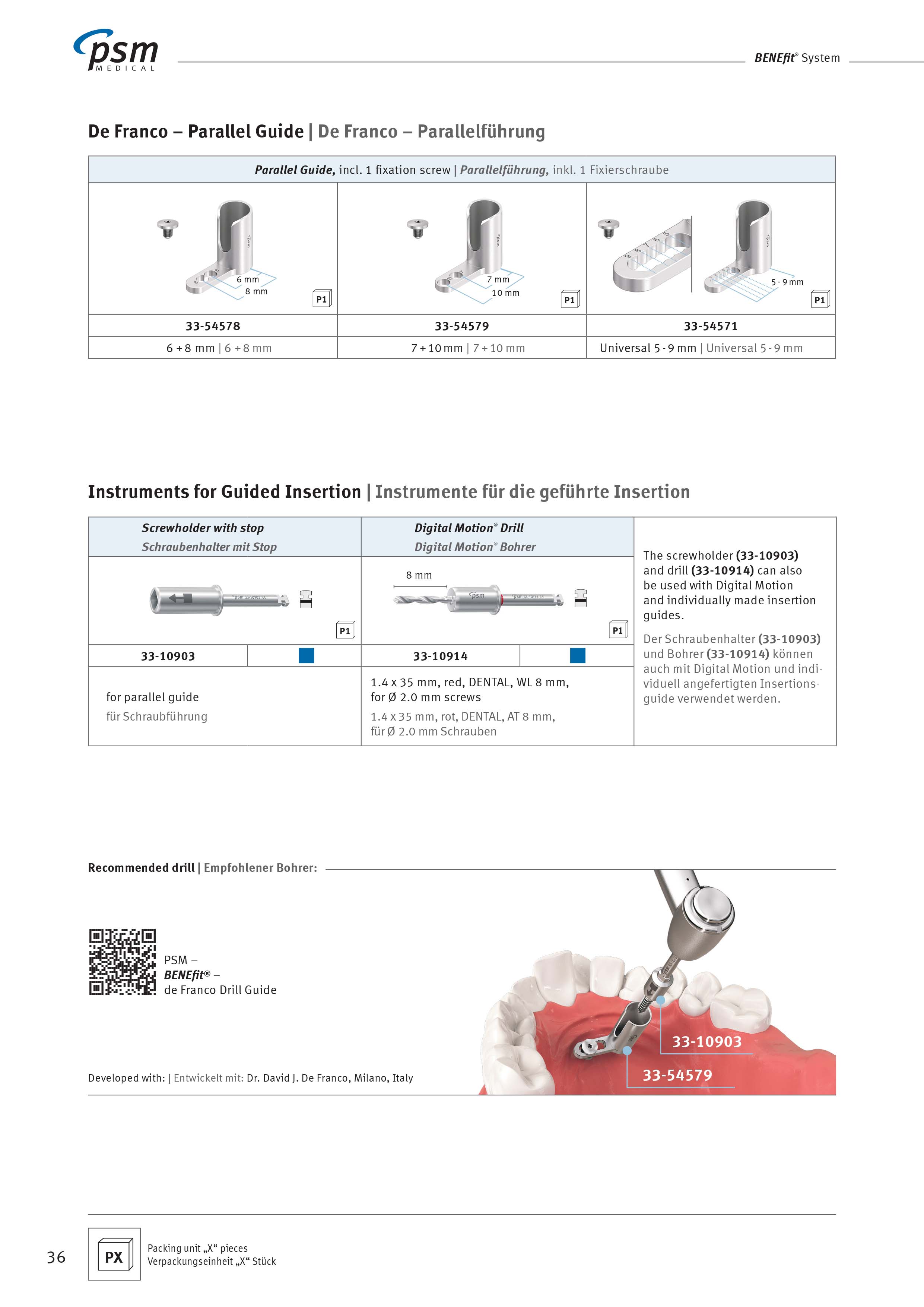
The De Franco Parallel Guide is a handheld surgical instrument — a compact stainless-steel parallelism guide developed by Dr. David J. De Franco (Milan, Italy) in collaboration with PSM Medical Solutions. It addresses a very specific clinical problem: how to insert two BENEfit® mini-implants mutually parallel and at the correct inter-implant distance, directly intraorally in the patient, without the need for an impression or laboratory fabrication.
Mechanism of action:
The De Franco Guide is essentially a precision metallic template incorporating two bores at a predetermined fixed inter-axial distance. The first bore establishes the insertion site of the initial mini-implant, while the second bore automatically ensures that the second mini-implant is placed in parallel alignment along the correct axial trajectory. Three configurations are available:
• Ref. 33-54578: inter-bore distance 6 mm + 8 mm (indicated for paediatric patients with a narrow palatal vault)
• Ref. 33-54579: inter-bore distance 7 mm + 10 mm (indicated for broader palatal arch dimensions)
• Ref. 33-54571: Universal Parallel Screw-Guide (9.5 mm, adjustable inter-bore distance)
All three configurations are used in conjunction with a dedicated pilot drill of 1.4 mm diameter (ref. 33-10914) and a dedicated screwdriver for screw-guide use (ref. 33-10903).
Clinical indications:
The De Franco Parallel Guide is indicated primarily for the insertion of the bmx® BENEfit® Maxillary Xpander — the pre-fabricated, exclusively bone-borne palatal expander that is delivered and placed directly intraorally without prior impressioning. In the absence of the guide, the clinician has no reliable mechanical means of predetermining the exact inter-implant distance and the axial insertion angulation of both mini-implants. The guide resolves both parameters simultaneously through a single mechanical step, chair-side.
In the clinical framework of SAPS, the De Franco Parallel Guide represents the analogue, streamlined solution for paediatric and adolescent patients receiving the bmx Maxillary Xpander, whereas the Easy Driver constitutes the comprehensive digital solution for all other skeletal anchorage indications. The two systems are not competing alternatives — they are complementary modalities within the same clinical protocol, each optimised for a distinct level of case complexity.
Differentiation from the Easy Driver system:
| De Franco Parallel Guide | Easy Driver | |
|---|---|---|
| Technology | Mechanical stainless-steel handheld template | Digital CAD/CAM, 3D-printed (additive manufacturing) surgical guide |
| Pre-operative data required | No impression or scan required | CBCT (DICOM) + intraoral or laboratory STL scan |
| Parameters controlled | Inter-implant parallelism + fixed inter-axial distance | Insertion angulation, depth, spatial coordinates, parallelism, root proximity clearance |
| Indications | Straightforward cases, paediatric patients (bmx Xpander) | Complex anatomies, Quadexpander, adult patients, cases with limited bone volume |
| Clinical and economic complexity | Minimal — single reusable instrument | Higher — requires digital planning workflow and laboratory fabrication |
To make collaboration with SAPS as predictable as the systems themselves, every doctor entering the program follows the same simple framework:
1. Choose your collaboration model
• Collaborative Planning — Our team positions the mini‑implants digitally in Easy Driver and sends you preview images for review. Once you approve the plan, we finalise the guide and appliance for delivery.
• Clinical Software Access — You plan and adjust implant positions yourself, in real time, using the Easy Driver Clinical software (a separate license from our in‑house Technical version). A trial period is available before deciding on a permanent license.
• Hybrid Workflow (Smart Lock / Appliance‑First) — You insert the mini‑implants manually, place scan bodies, and take an intraoral scan — no CBCT required. We merge the implant positions with our digital library and transfer them precisely to the working model using laboratory analogues.
2. Send your records An intraoral scan or impression, combined with a CBCT (or lateral cephalometric radiograph) when the fully guided Easy Driver pathway is chosen.
3. Review and approve the plan You receive the proposed implant positions for confirmation or correction before anything is manufactured.
4. Receive your case Guide, mini‑implants and appliance are delivered together. With the fully digital Easy Driver workflow, implantation and appliance delivery generally take place in a single appointment; the Hybrid/Smart Lock workflow uses two appointments — placement, then appliance delivery.
5. Stay in touch through one channel For case‑specific or technical questions, direct communication keeps planning fast and accurate — please reach out to us directly rather than through multiple contacts, so nothing gets lost between review rounds.
A full cost breakdown — covering mini‑TADs, laboratory work, the drilling guide and appliance fabrication — is always provided before final confirmation, so there are no surprises once a case is approved.
For more check our official links :
6.1.About instruments and kits (https://psm-medical.com/en/products/instruments/sets/)
6.2.About Easy Driver (https://media.psm-medical.com/e-catalogue-easy-driver/)
6.3.About Smart Lock (https://media.psm-medical.com/e-catalogue-smartlock/)
6.4. Benefit Categories (https://psm-medical.com/en/products/benefit/)
6.5. Download Software Easy Driver for PC https://bit.ly/4vYJPoT
6.6. Download Software Easy Driver for MAC https://bit.ly/4ek47U1
6.7.FN Orthodontic TAD’s Gallery https://bit.ly/4ozBVzT